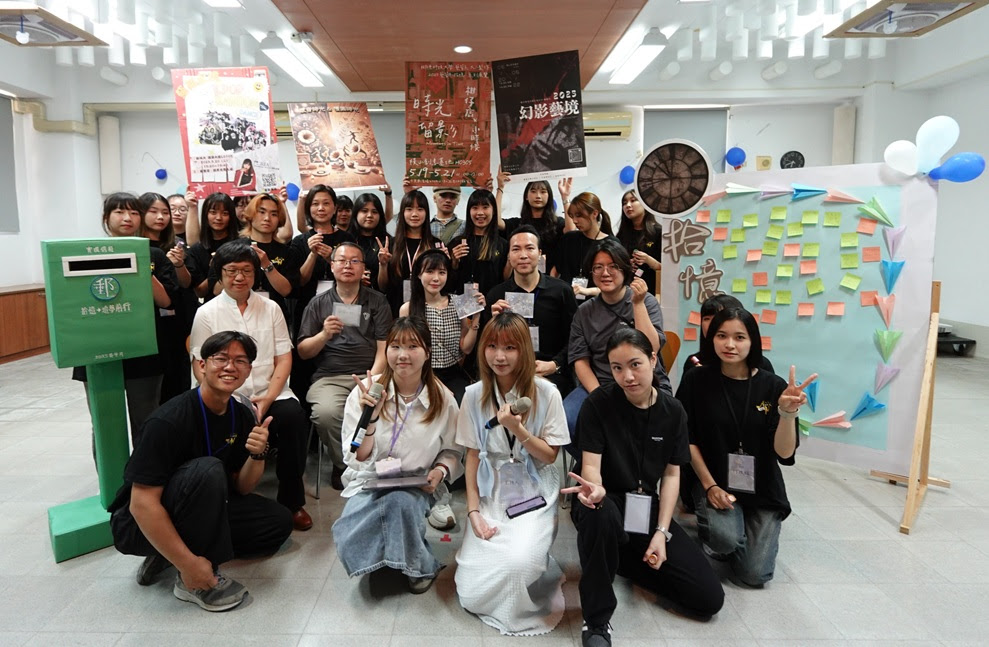
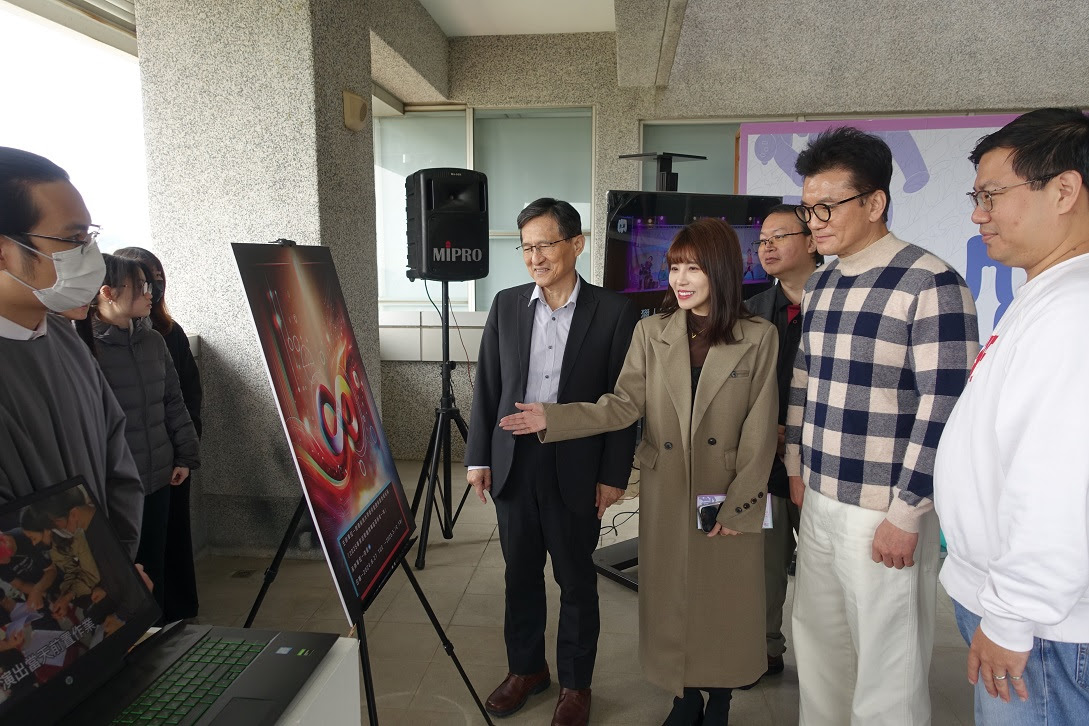
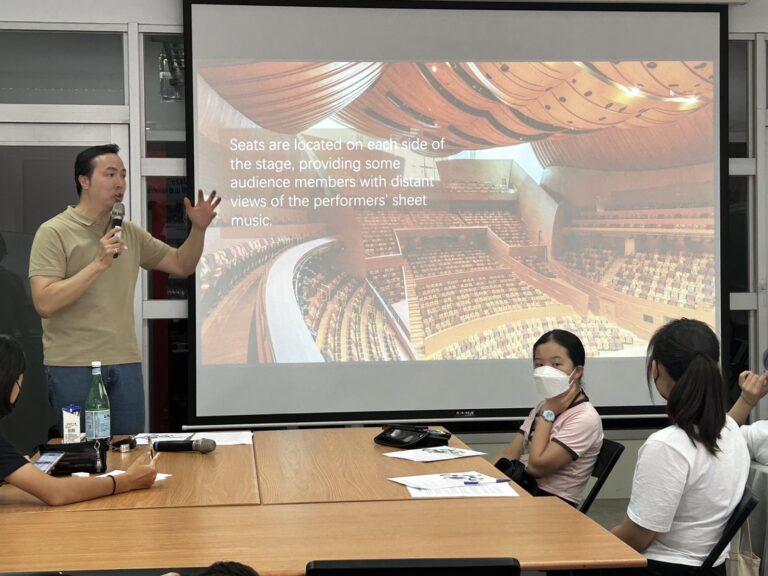
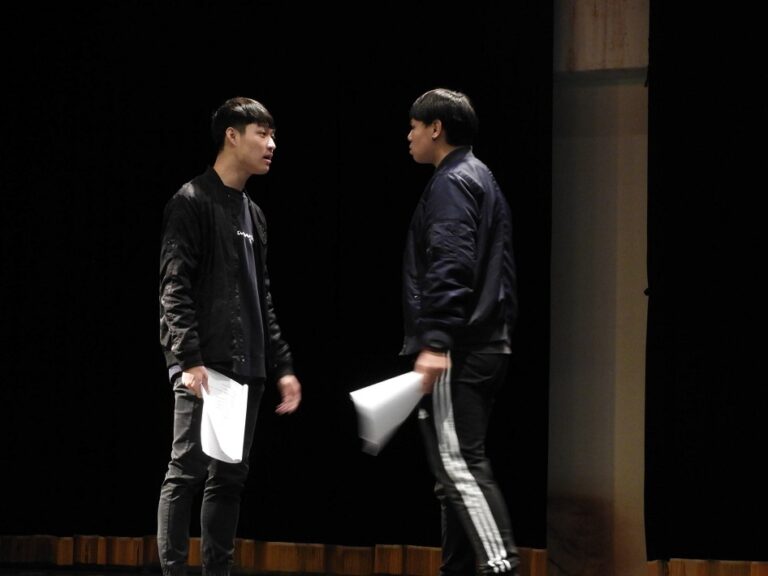
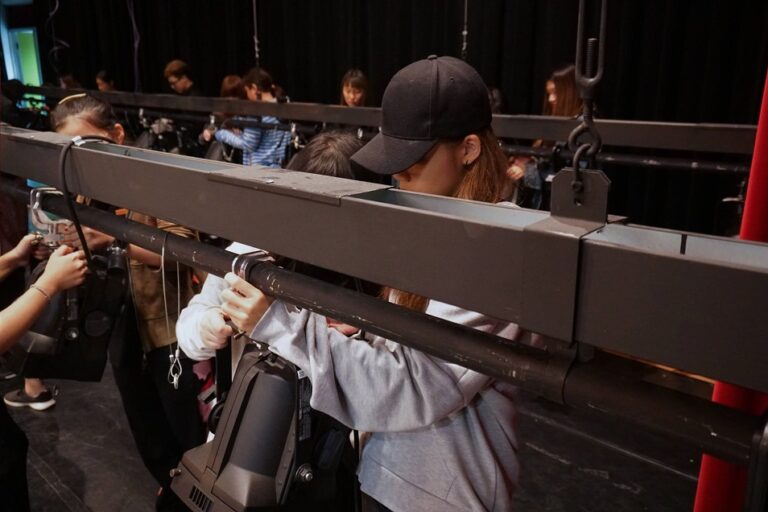
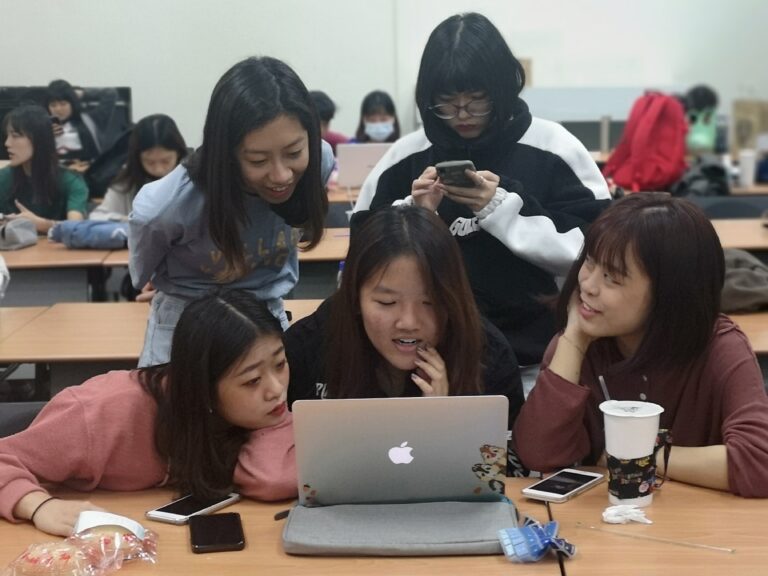
The Department of Arts Management at Shu-Te University is the first of its kind among universities in Taiwan. It was established in alignment with national cultural and artistic development policies and in response to the evolving trends of domestic and global industries. The department precisely aligns with the developmental needs of the visual arts, performing arts, cultural and creative industries, and entertainment brokerage sectors. Its mission is to cultivate talents who combine cultural and artistic literacy with innovative management expertise, emphasizing students’ adaptability in diverse cultural environments and their professional capabilities to navigate the rapidly changing global arts, cultural, and entertainment industries. The program aims to develop outstanding professionals with interdisciplinary knowledge and an international perspective, driving the sustainable growth and innovation of Taiwan’s cultural, artistic, and entertainment sectors.
1. University Pioneer:
This department is the first of its kind among universities in Taiwan. It was established in response to national cultural and artistic development policies to promote the growth of performing arts, visual arts, and cultural and creative industries. The department aims to cultivate professionals who possess both cultural and artistic literacy and innovative management expertise, preparing students to become skilled managers and agents in the arts and culture industry.
2. Curriculum Design:
The curriculum is built upon two educational pillars: cultural and artistic literacy and innovative management knowledge. It is structured around three major fields—arts and cultural knowledge and cultivation, arts industry studies, and arts and entertainment management skills. The courses cover visual arts, performing arts, cultural and creative industries, and the entertainment field. Through a diverse and integrated curriculum that balances theory and practice, students develop interdisciplinary learning capabilities and enhance their professional competence and hands-on skills in the arts, culture, and entertainment industries.
3. Industry Connection:
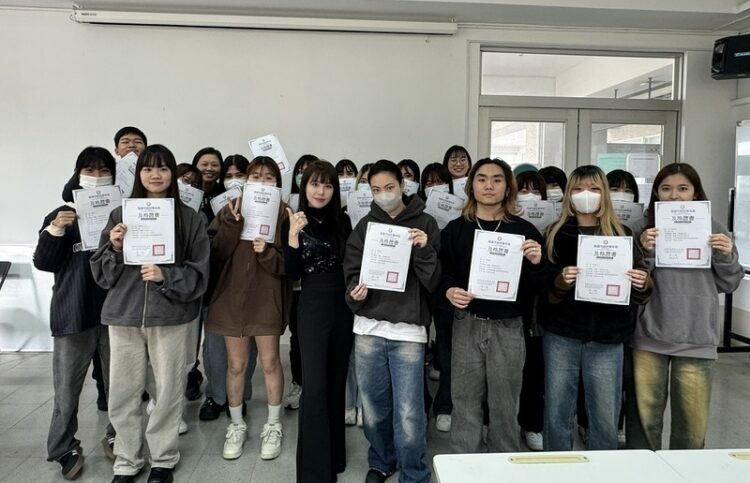
The department strengthens internship opportunities both domestically and internationally, encourages students to obtain various professional certifications, and guides them in presenting innovative management projects. These initiatives enable graduates to seamlessly connect with the industry, improving their employability and entrepreneurial competitiveness.
4. International Exchange:
The department welcomes international students and offers courses such as International Project Studies, fostering a multicultural learning environment through global co-teaching and cross-cultural exchange.
In 2009 , the Executive Yuan Institute passed the “Creative Taiwan – Cultural and Creative Industry Development Program (2009∼2013)” to propose a driving strategy for Taiwan’s current development of cultural and creative industries, its advantages, potentials, dilemmas and industrial needs. Become the convergence center of the Asia-Pacific cultural and creative industries.
With the HIM International Music Inc and Pili International Multimedia Co., Ltd. the shares of companies listed in 2013 , the development of Taiwan’s cultural and creative industries has entered a new milestone, symbolizing the gradual take-off of the domestic cultural and creative industries. the government in addition to continue to promote the “Creative Taiwan – Cultural and Creative Industry Development Program” of the “preparedness work environment” and “flagship industrial plan” other than, and in 2013 proposed “value of annual output value – cultural and creative industry value chain Constructivism and innovation (2013~2016) “medium-range plan, the construction period for all cultural and creative industries are developing a friendly environment in which the related industries have encountered access to appropriate counseling and assistance to develop and grow as a flagship industry of tomorrow.
Into the domestic and foreign art, performing arts, art management, public administration or management and other related research institutions continue to further study.
Visual arts, architectural design, crafts, product design, visual communication design, radio and television, digital content, advertising, film, music and performing arts, popular music and cultural content, cultural asset use and performance facilities, publishing, creative life and other industries related Practitioners.
Participate in the civil service examinations to enter the local or central cultural department; local or central affiliated venues related practitioners.
The curriculum of the Department of Arts Management is designed to cultivate interdisciplinary and practical talents who can respond to the rapid transformation of the global arts and entertainment industries. The program is structured into four major areas: Art Professional Field, Business Management Field, Industrial Development Field, and Policy and Law Field.
Through an integrated approach combining cultural theory and management practice, students develop a solid foundation in both artistic sensibility and managerial skills. The curriculum connects theory and real-world applications across performance, production, planning, marketing, and administration, providing students with a comprehensive understanding of the arts industry ecosystem.
The professional required courses cover a wide range of subjects, including performing arts, visual arts, design, film and television industries, and cultural and creative products. These courses bridge theory and practice in performance management, production, planning, marketing, and administration, equipping students with practical competencies demanded by the industry.
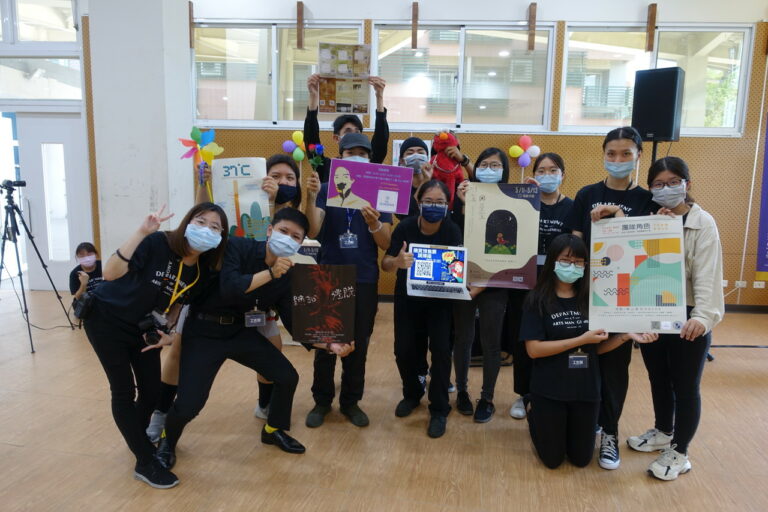
In addition, the elective courses are divided into three specialized tracks: Performing Arts Management, Visual Arts Management, and Entertainment Management, allowing students to select their focus area based on their career aspirations.
To enhance professional training and meet the educational objectives of a vocational university, the department emphasizes hands-on learning and internship programs. Students are required to complete an on-campus practicum in their junior year, followed by a 160-hour off-campus internship in domestic or international arts-related industries. This ensures a seamless connection between academic study and professional employment.
The professional elective courses are designed to allow students to further develop their expertise according to their individual career goals and interests. The program offers three specialized tracks: Performing Arts Management, Visual Arts Management, and Entertainment Management. Each track integrates theory with practice, emphasizing the development of project planning, marketing, and management abilities in the corresponding field.
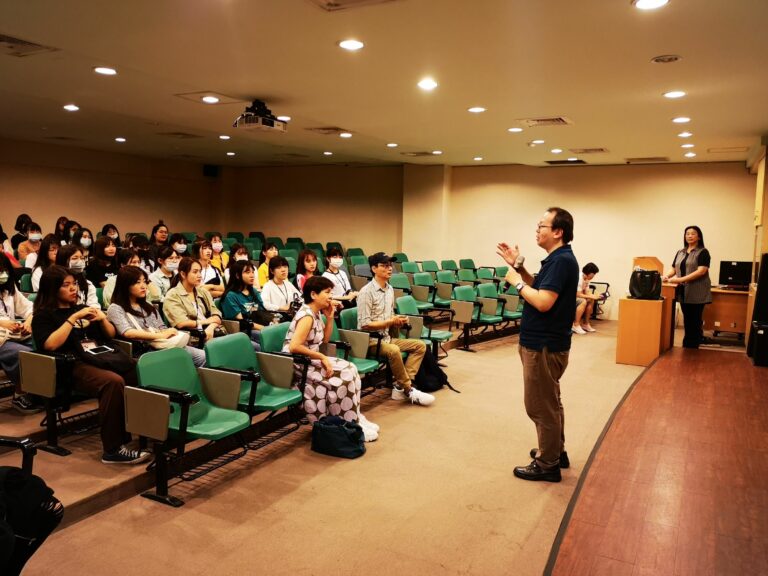
Through elective courses, students gain hands-on experience in areas such as exhibition and performance planning, artist brokerage, media communication, and creative project development. The curriculum encourages students to build professional portfolios and industry connections, helping them to prepare for future careers in cultural, artistic, and entertainment industries.
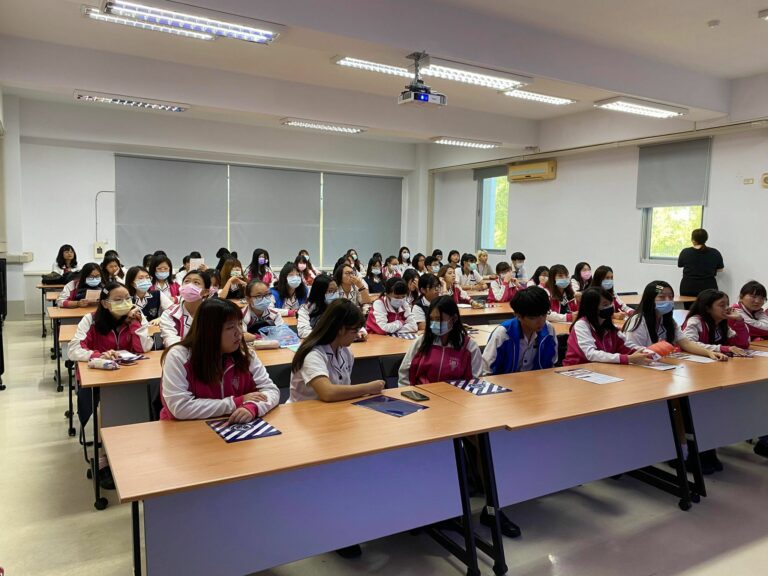
To enhance industry readiness, the elective system also links with internship programs and industry projects, ensuring that students not only deepen their professional knowledge but also gain practical experience and teamwork skills essential for the workplace.
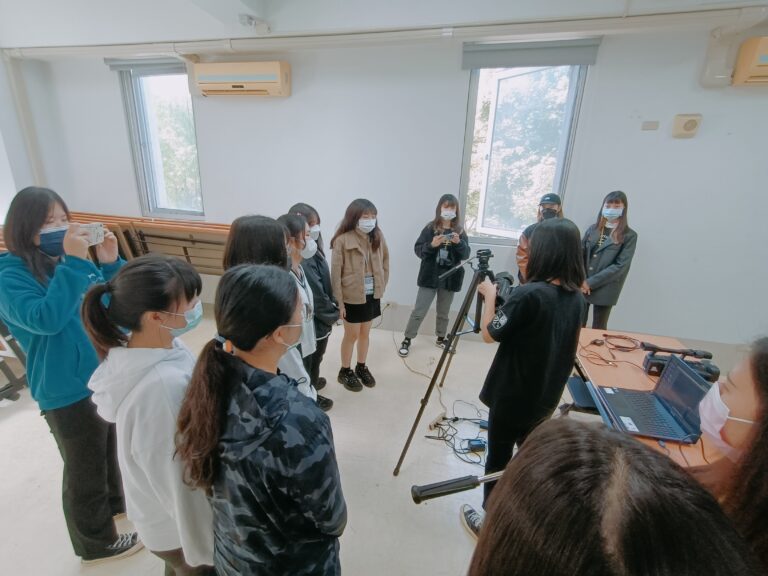
The Department of Arts Management and Art Brokerage has established a comprehensive Teaching Internship Platform that integrates academic learning with real-world professional experience. This platform connects students with arts organizations, cultural foundations, performing arts groups, and entertainment companies, enabling them to apply classroom knowledge in practical settings.
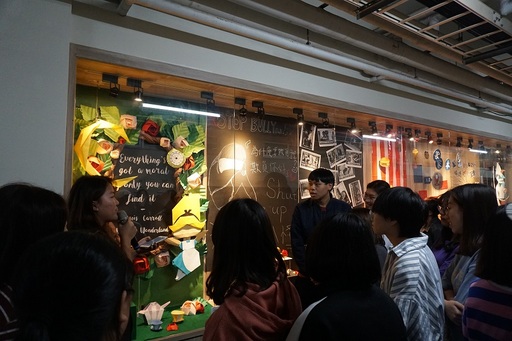
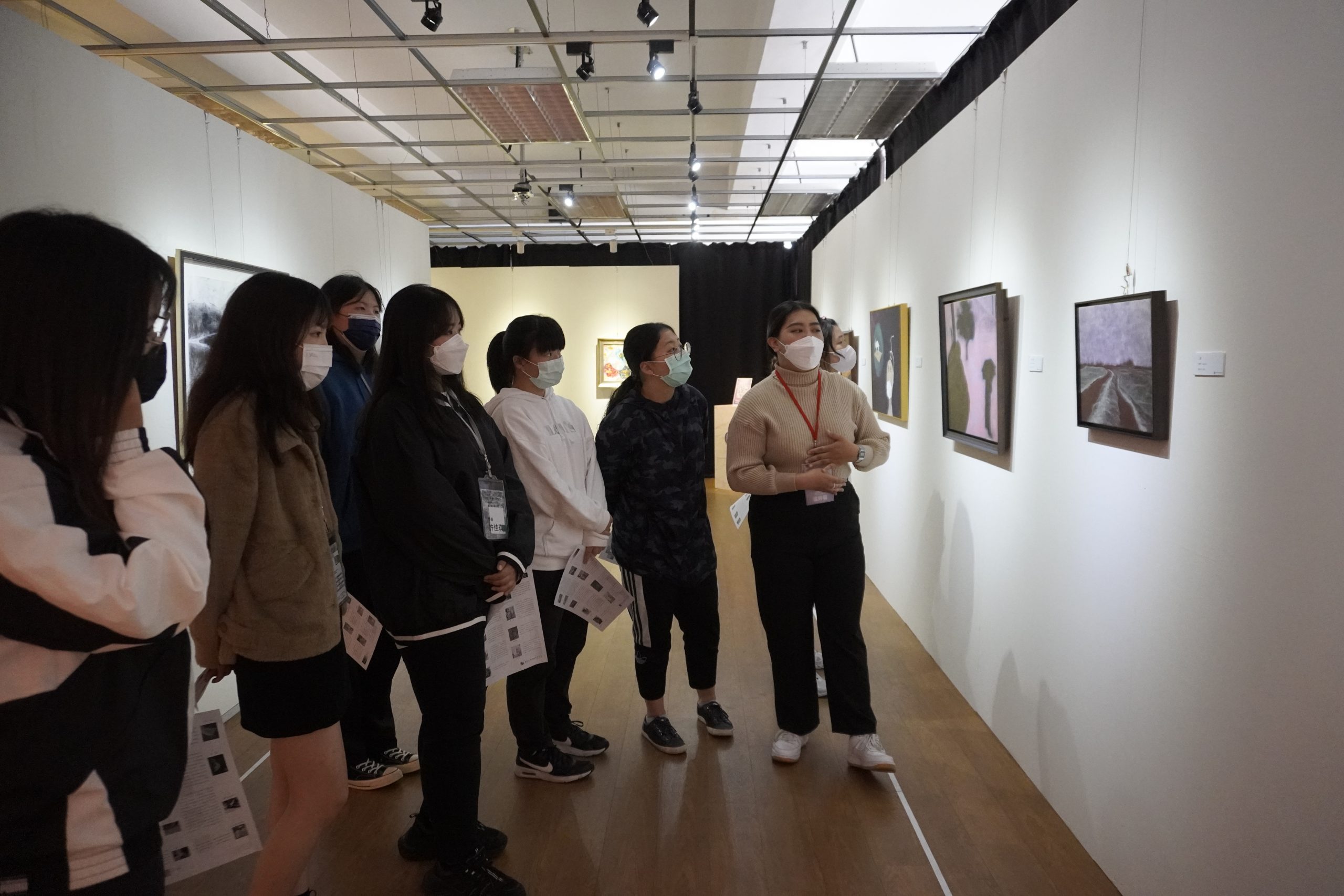
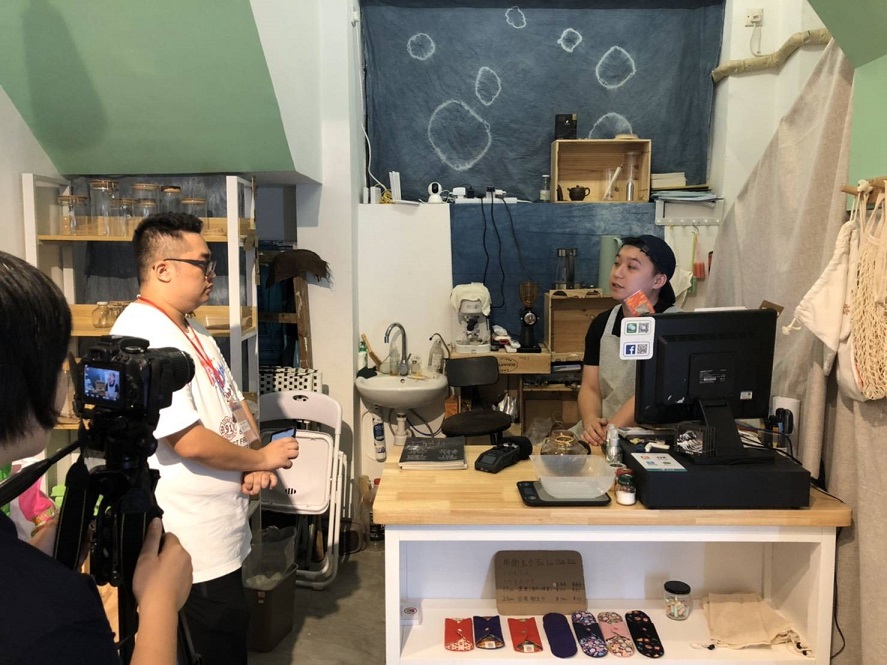
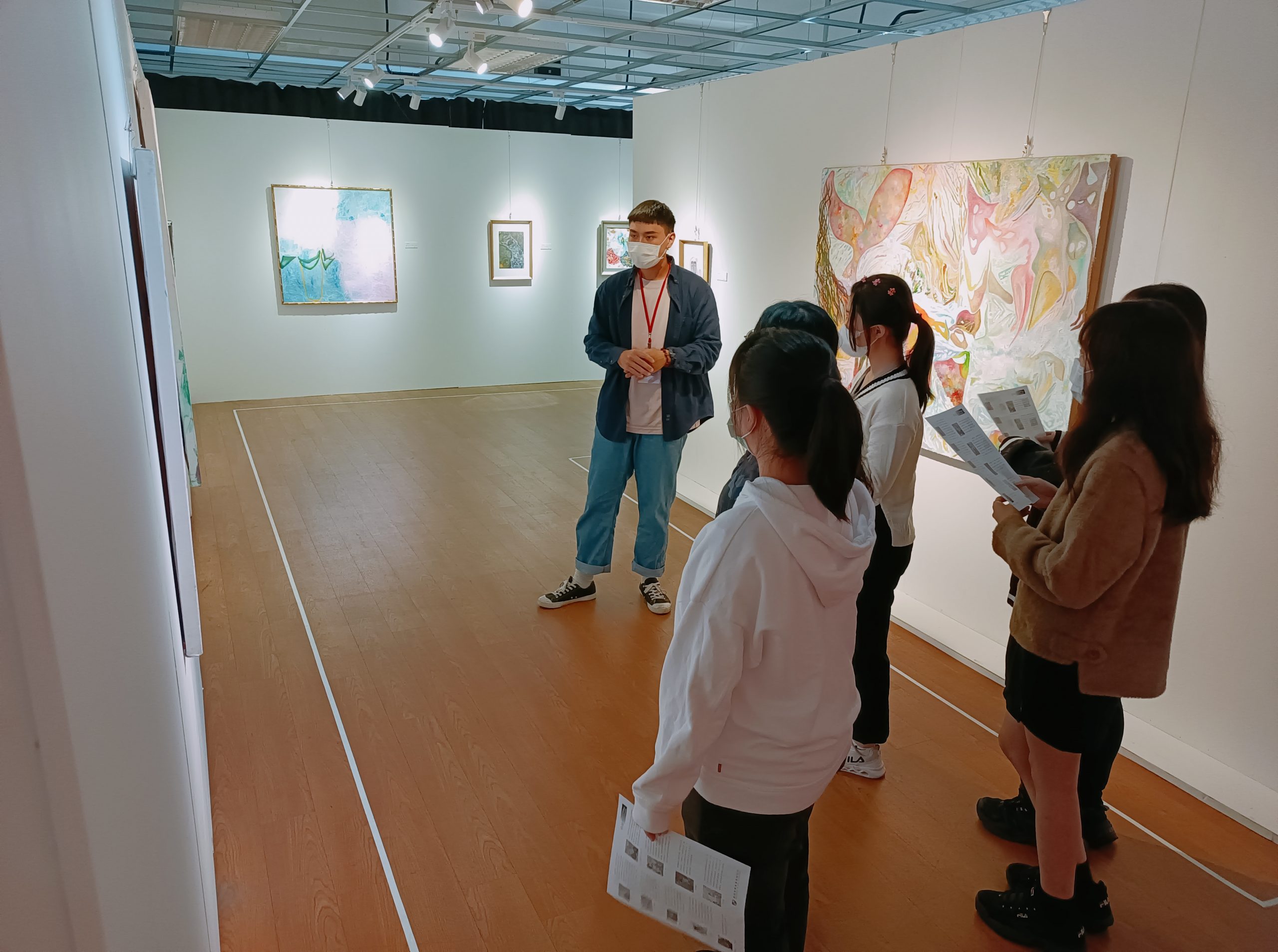
Internship opportunities are available both on-campus and off-campus, including collaborations with museums, art centers, galleries, performance venues, and cultural and creative enterprises. Through these experiences, students gain first-hand exposure to event planning, exhibition management, performing arts production, artist brokerage, and arts marketing.
The department requires each student to complete at least 160 hours of professional internship in domestic or international institutions during the four years of university study. This system strengthens students’ professional competence, enhances workplace adaptability, and achieves the educational goal of “Seamless Integration between Graduation and Employment.”
To further reinforce learning outcomes, the platform also includes internship guidance, performance assessment, and industry mentorship, ensuring that students receive professional feedback and career development support throughout the process.
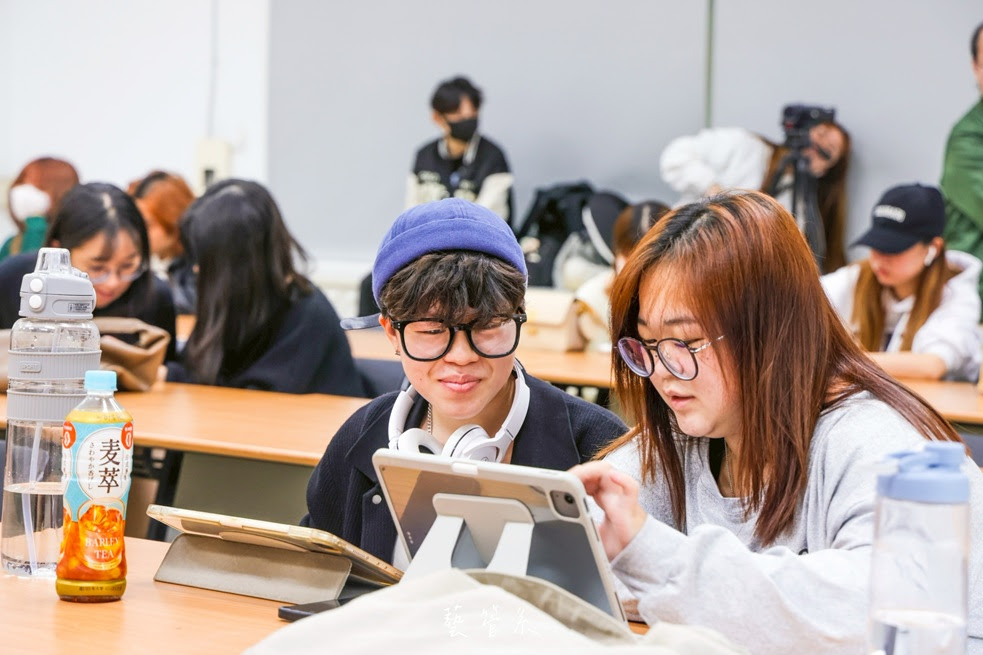
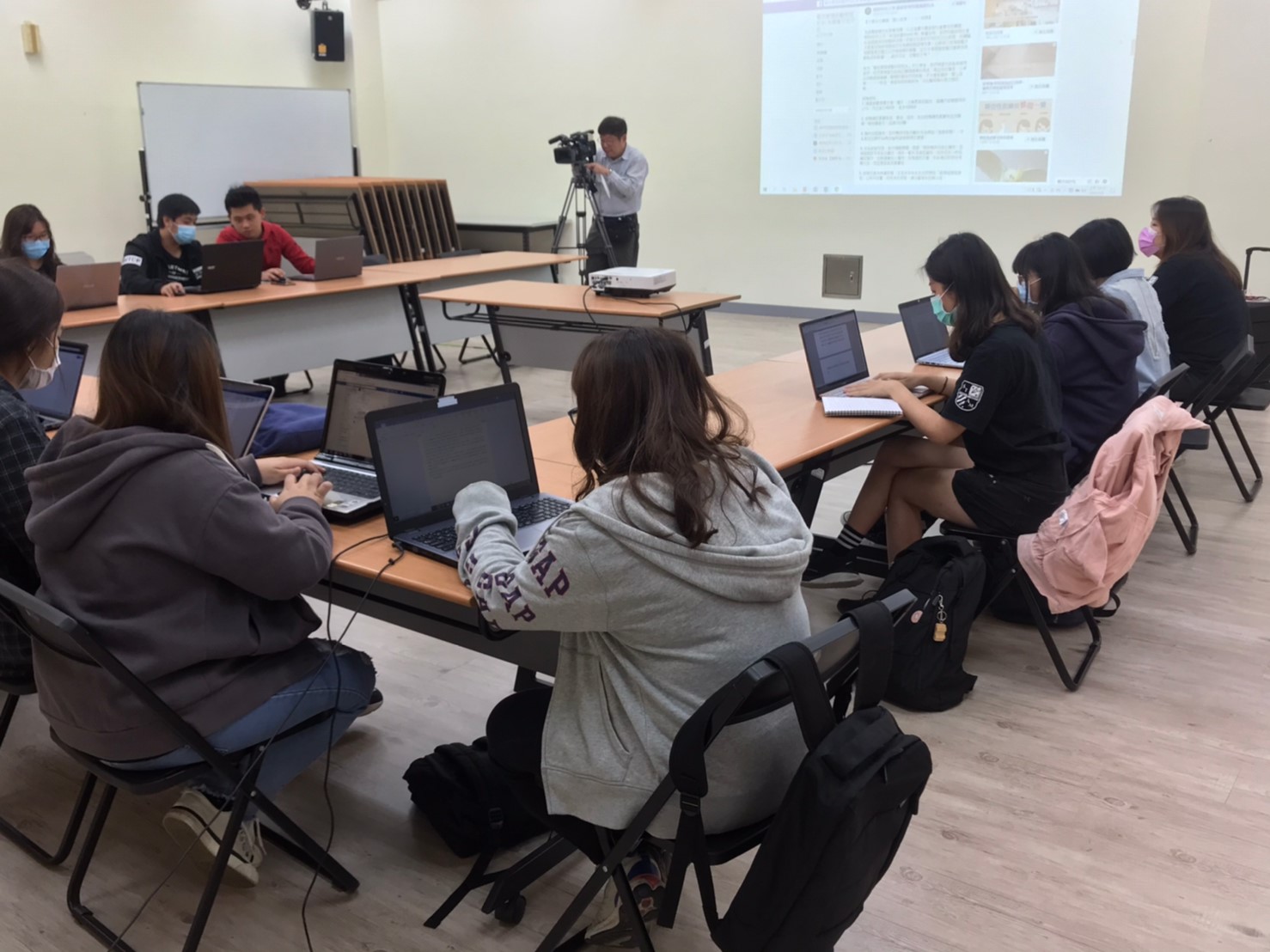
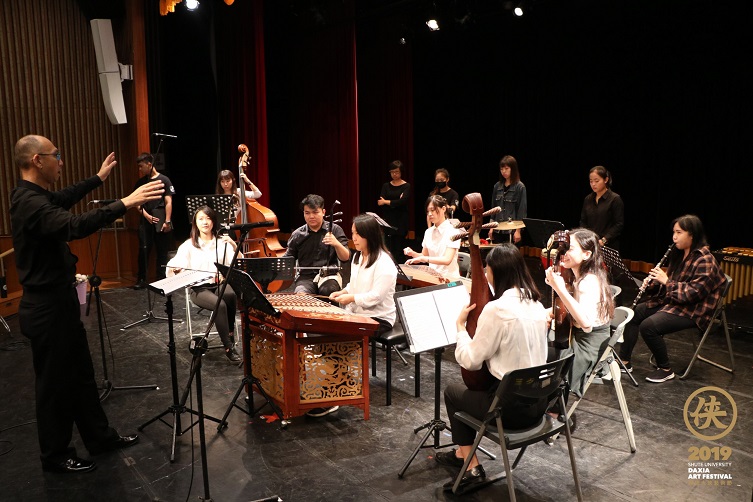
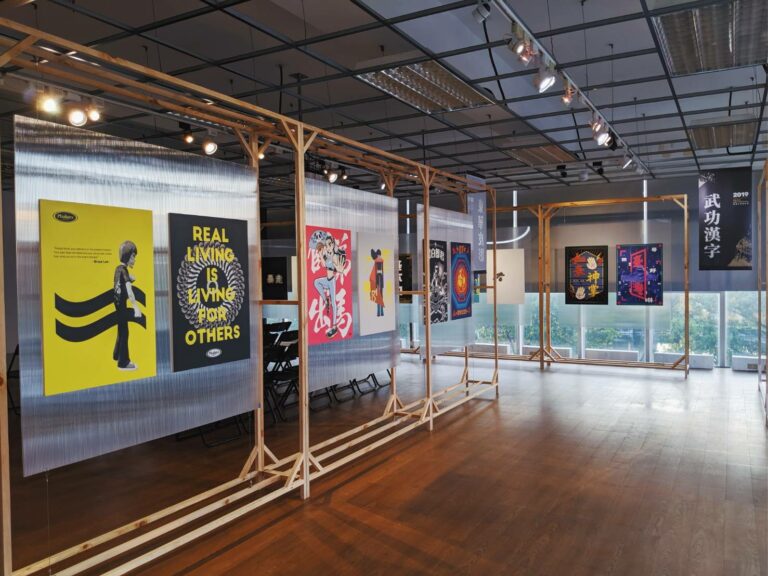
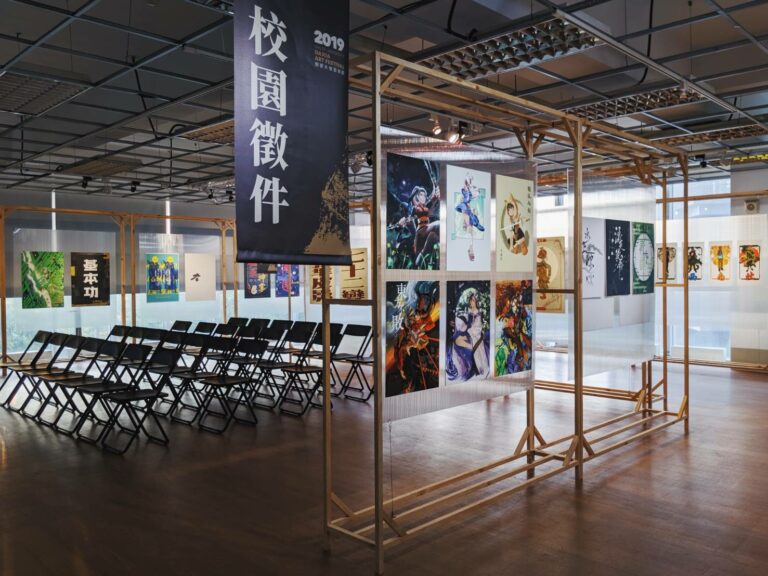
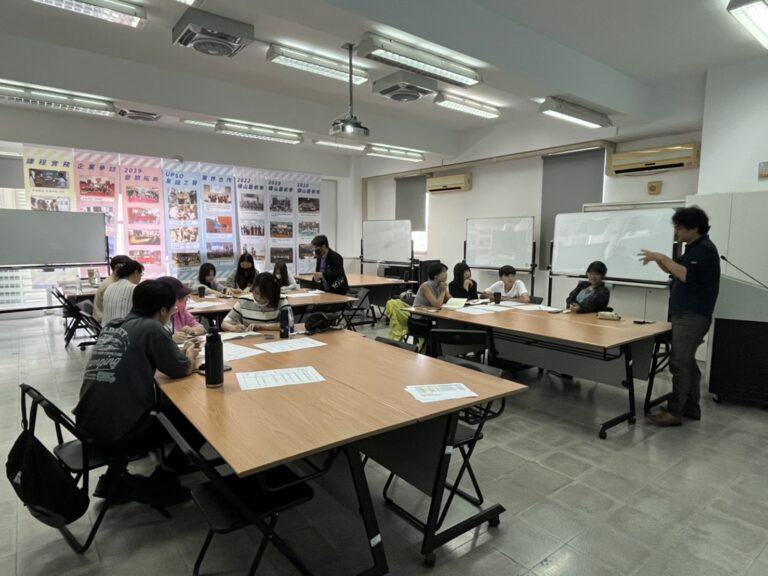
The teaching equipment and environment of the department are fully integrated with theoretical learning and practical operation. Each subject classroom is fully equipped with E-style digital desks; the surgery classrooms are equipped with single-gun projectors, projection screens, professional audio cabinets, etc. The whole school’s wireless network environment allows students to easily connect to the Internet in any corner of the campus as long as they carry laptops with wireless Internet access, enjoying a learning environment in which information has no borders. There are also subject classrooms, curatorial classrooms, rehearsal classrooms, performance venues and other spaces and related equipment.
The department has a well-structured faculty, and the expertise, research field or practical experience background of the full-time teachers are in line with the core of the department’s development. They are mainly based on cultural administration, management, creative design, and art curation. They can fully coordinate with the curriculum planning of the department. Plan or promote relevant activities in line with the development goals of the department . The practice of cross-domain concept also invites senior executives of the administrative teaching units in the school to give lectures or lectures to the department, and launches top industry professionals as the teacher-integrated teaching system. The professional teachers with international practical experience can definitely provide students with internationalization, Multiple thinking and experience.
Ning-Cai Chen( Department Chair / Assistant Professor (Professional Technical Faculty))
Expertise: Graduated from the Interdisciplinary Master’s Program in Performing Arts at the National Taiwan University of Arts, specializing in art, performance, and market-related research. Completed an undergraduate degree in the Department of Chinese Music at Tainan National University of the Arts, with a major in Huqin and minors in piano and percussion. Currently enrolled in the doctoral program at the Graduate Institute of Cultural and Creative Design at Oriental Design University, specializing in cultural and creative industries and performing arts research. Has recorded and released multiple albums, participated in various musical and theatrical productions, and has extensive experience in performances and event hosting.
TING,I-CHEN (Arts center ,Director / Associate Professor (Professional Technical Faculty))
Expertise: Art Management, Introduction to Art, Conductor, Piano, Trumpe
HSU,CHUN-TING ( Assistant Professor (Professional Technical Faculty))
Expertise:3D animation production, digital music, film and television production, midi music composition and arrangement, live concert recording, communication practice, film and television production, directing and screenwriting, film and television photography, large-scale event design, curatorial design, media public relations, expression and communication, color Studies, Introduction to Design, Philosophy of Beauty, Art of Science and Technology, Image Language, Interdisciplinary Perceptual Research, Perceptual Research of Music Visualization
HUNG,YIN-CHOU ( Assistant Professor )
Expertise: Violin performance, international art exchange, orchestra management, performance venue operation.
CHIANG, CHIEN-HSI( Assistant Professor (Professional Technical Faculty))
Expertise:Dance Performance and Theatre, Laban Movement Analysis, International Standard Ballroom Dance, Ballet, Modern Dance, Interdisciplinary Creative Performance, Exhibition and Performance Planning and Execution, Team Leadership and Management.
CHANG, HSIN-JUNG ( Assistant Professor (Professional Technical Faculty))
Teaching Areas:
Academic Courses: Color Theory, Introduction to Design, Introduction to Art, Introduction to Film and Animation Production
Practical Courses: Rendering Techniques, 2D/3D Computer Graphics, Digital Design Creation, Audio-Visual Animation Production, Corporate Identity Design, Spatial Planning and Display Design
Research Specializations:
Animation Production and Value-Added Applications, Integrated Digital Design and Value-Added Applications, Visual Design and Techniques of Tattoo Art, and Practical Studies in Exhibition and Display Space Planning.
CHOU,TZU-LI ( Lecturer / Administrative Assistant)
Expertise: Information dissemination, curation, research and application of cultural and creative industries
Equipped with E-learning digital podiums, air conditioning
Features display boards, lighting, sound systems, single-projector and screen, air conditioning, etc.
Includes computer workstations, single-projector and screen, air conditioning, etc.
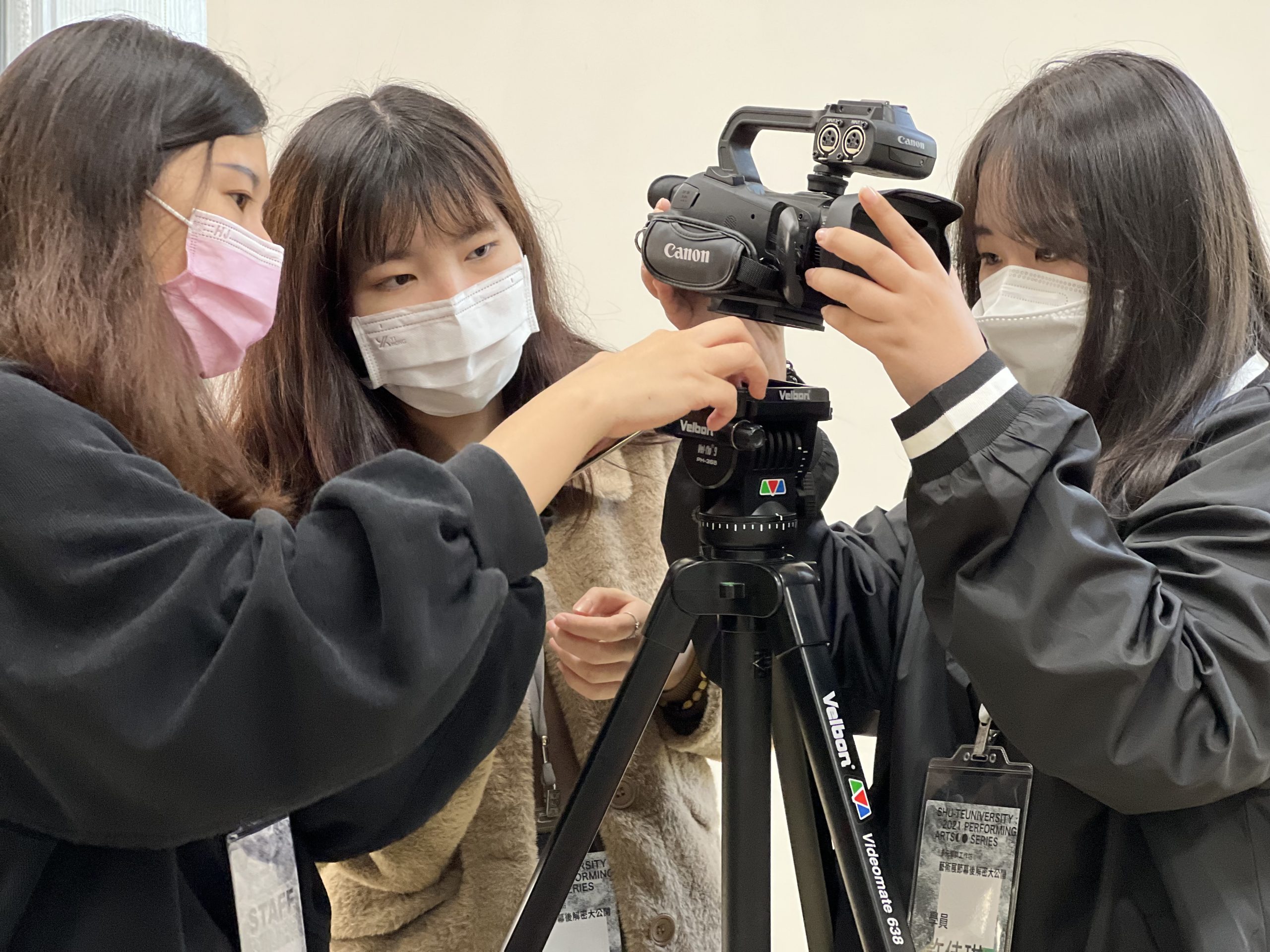
Setup with digital live streaming studio, broadcast-grade digital cameras, integrated live broadcasting equipment, single-projector and screen, air conditioning, etc.
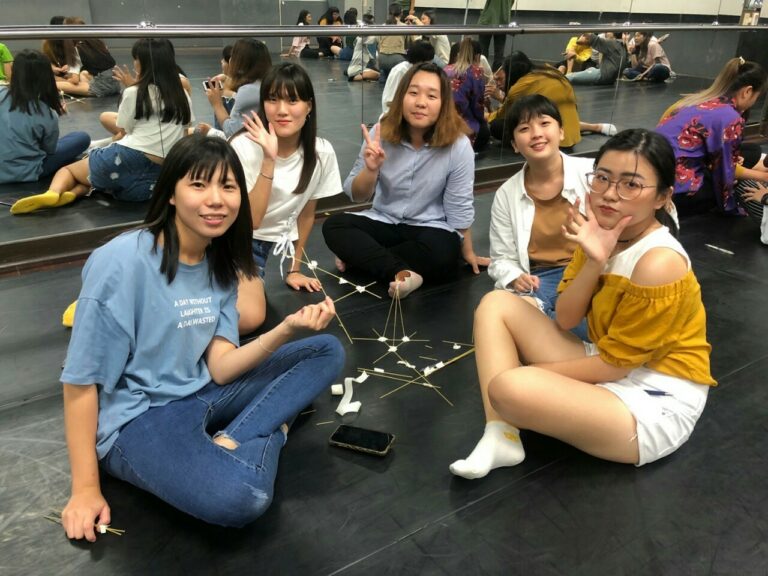
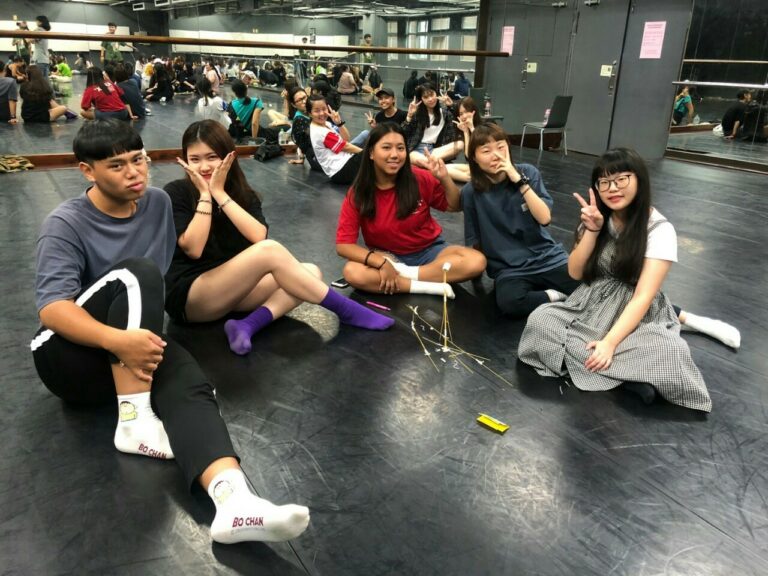
Designed with wooden flooring, mirrored walls, audio equipment cabinets, technical facilities, single-projector and screen, air conditioning, etc.
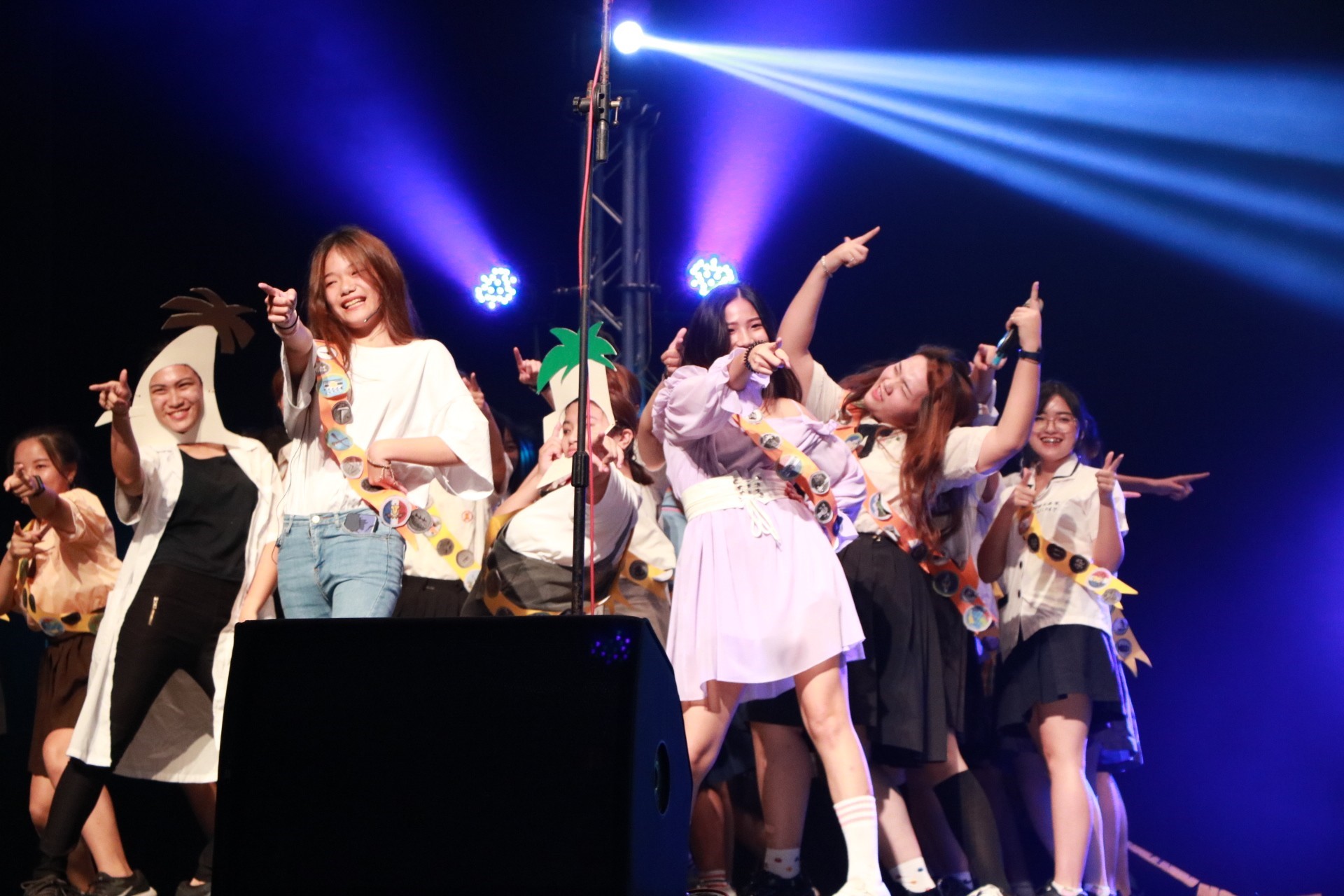
Auditorium with approximately 400 seats, equipped with lighting, sound systems, stage, and other performance facilities
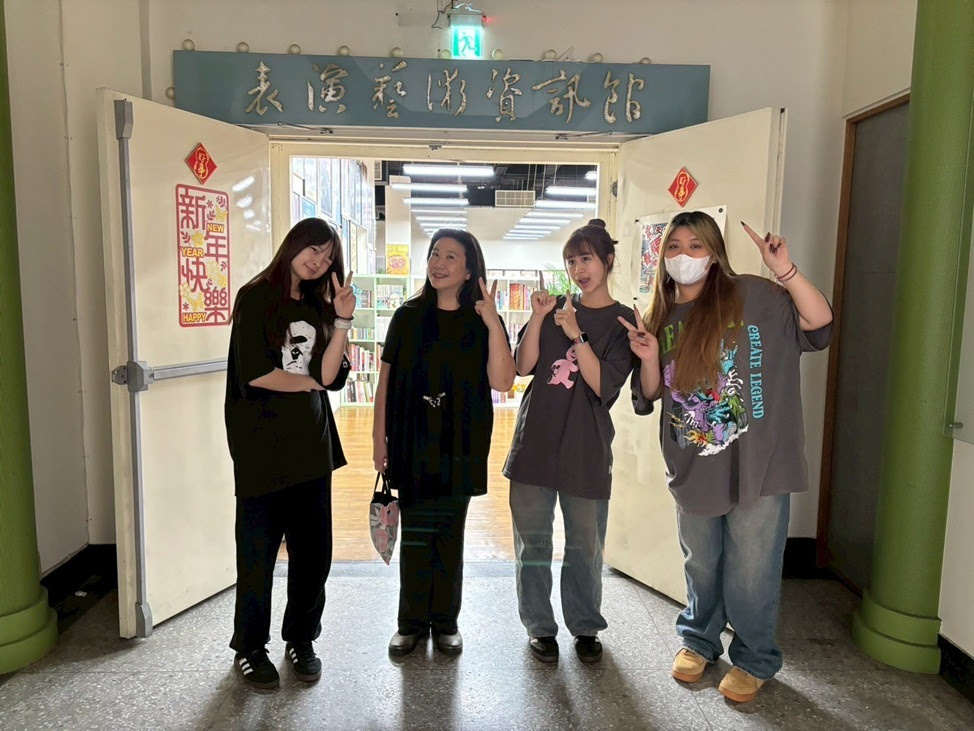
Holds a collection of books related to performing arts, visual arts, art management, and related subjects.